About
From genomics lab to trauma clinic.
My path here wasn't a straight line.
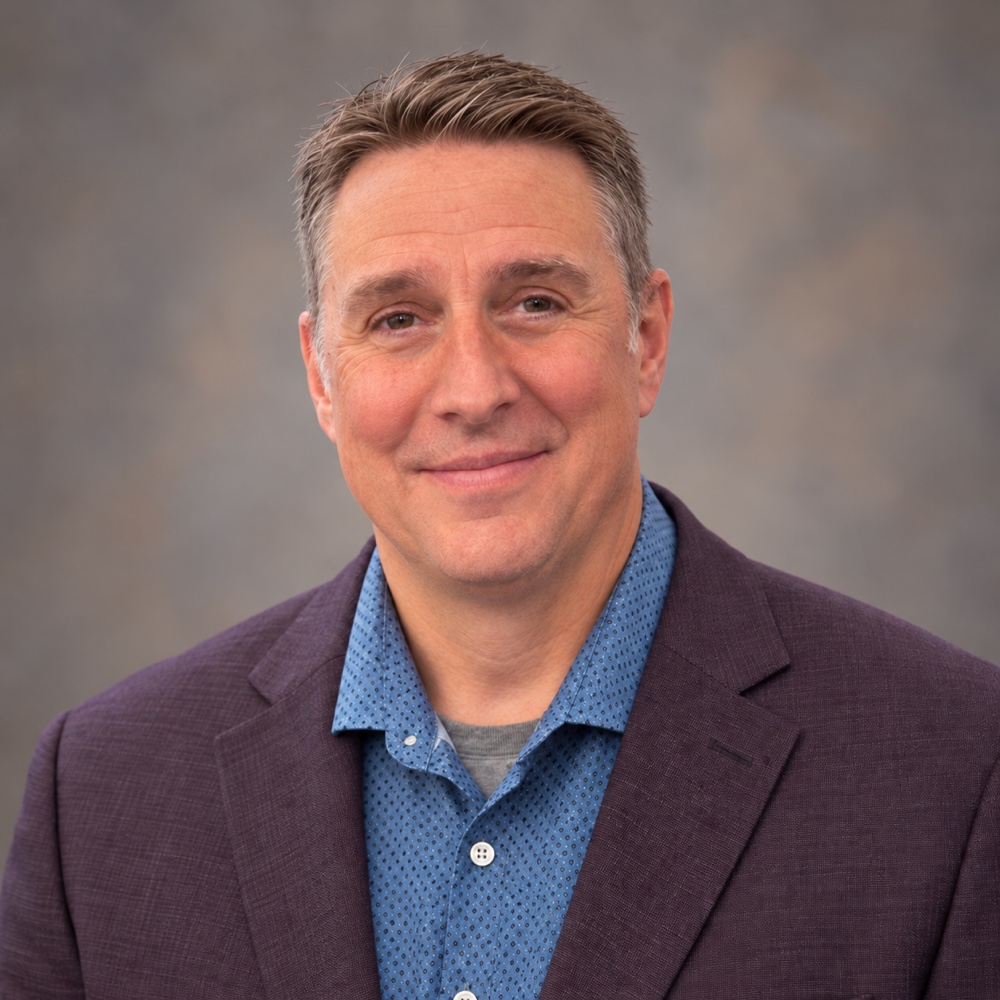
I started in biology and psychology at the University of Denver, then spent a few years in genomics labs at Celera and Applied Biosystems, running gene-expression work and getting very picky about data. Then I went back to school: a degree in English literature and creative writing, a master's in psychology with a sport psychology specialization, and another in mental health counseling. I've been a therapist ever since, and these days most of my work is trauma, usually the harder cases.
I tell new clients I'm basically a personal trainer for mental health, and I mean that pretty literally. If you sprain an ankle, nobody hands you a pep talk. Someone figures out what's actually injured, picks the rehab that fits that injury, and then makes you do the reps. Trauma runs on the same logic. The load is heavier and it takes longer, but the logic holds.
So what gets in the way of people thriving? In my experience it comes down to three things, mostly. Not enough resources: time, money, sleep, safety, people in your corner. Trauma, especially the childhood kind. And scaffolding: the habits and supports that got built wrong, or the reps that never happened.
That's what I write about. I'm also deep in the second draft of LEVELS: The Physics of Behavior, a book about why people do what they do, built from the biology up.
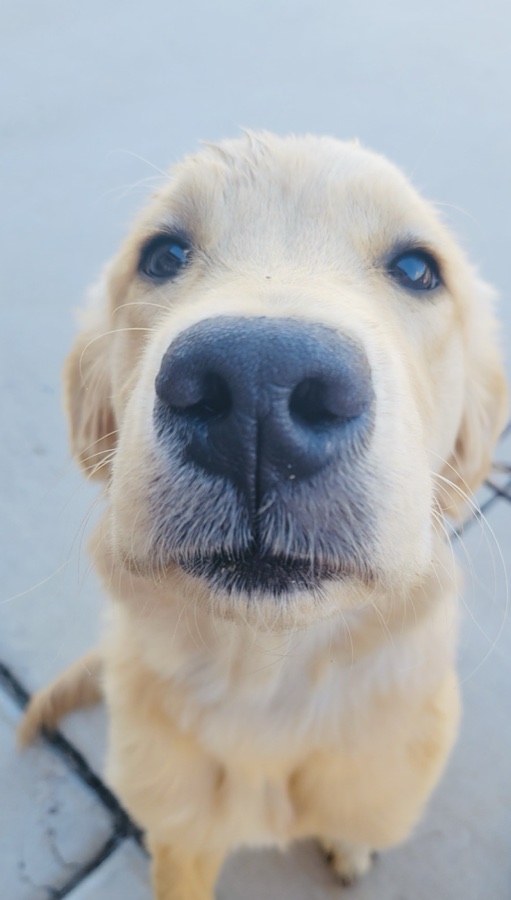
And yes, there's a dog. Kona, my one-year-old golden retriever, has been in the session room with me since she was nine weeks old.
Credentials
- Licensed Professional Counselor (Colorado)
- M.S. Mental Health Counseling, Walden University
- M.S. Psychology, Sport Psychology specialization, Capella University
- B.A. English (Literature and Creative Writing), California State University, East Bay
- EMDR-trained · Ericksonian-trained
Earlier work
- Production Scientist, Celera Genomics
- Scientist and R&D Scientist, Applied Biosystems
- Clinician in private practice, primary-care, school and agency settings